
A bedroom that stays stuffy through the night, a home office that turns uncomfortable by mid-afternoon, or a loft conversion that is lovely for half the year and unbearable for the rest – these are usually the moments when home air conditioning installation moves from a nice idea to a practical upgrade.
For many households, air conditioning is no longer seen as a luxury. Warmer summers, better insulated homes and more time spent working from home have changed expectations around comfort. The key is getting the system right from the start. A well-planned installation should cool the spaces you actually use, run efficiently and look tidy once fitted. A rushed or poorly specified job can leave you with uneven temperatures, unnecessary running costs and equipment that never quite suits the property.
What home air conditioning installation involves
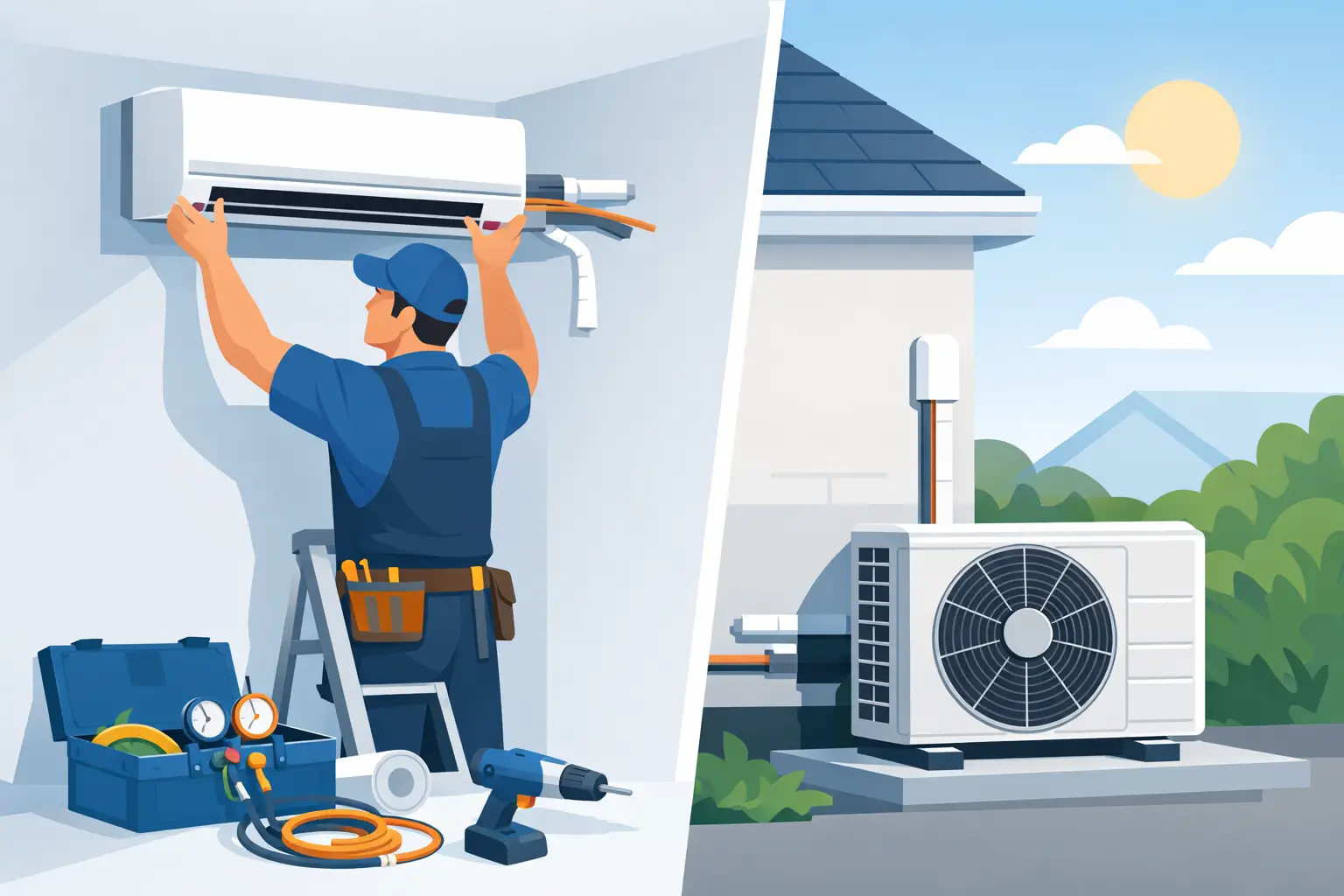
At its simplest, home air conditioning installation means fitting a system that removes heat from inside your property and transfers it outdoors. Most domestic systems in the UK are split systems, with an indoor unit mounted high on a wall and an outdoor condenser positioned externally. The two are connected by pipework, cabling and a condensate drain.
That sounds straightforward, but there are several decisions within it. The size of the room, ceiling height, insulation levels, window area and how the room is used all affect the specification. A south-facing bedroom with large glazing behaves very differently from a shaded lounge or a compact study with heat coming from computers and screens.
Professional installation also covers the details homeowners do not always see at first glance. Pipe runs need to be planned neatly, drainage has to be correct, electrical supply must be suitable and the outdoor unit should be positioned where it can perform properly without causing avoidable noise issues. Good installation is as much about planning and finish as it is about fitting the equipment itself.
Choosing the right system for your home
The best system depends on how many rooms you want to cool and how your home is laid out. For a single room, a wall-mounted split unit is often the most practical option. It is efficient, relatively discreet and usually quicker to install than more complex alternatives.
If you want to cool several rooms, a multi-split system may make more sense. This allows multiple indoor units to connect to one outdoor unit, which can be useful where outside space is limited or where you want a cleaner external appearance. The trade-off is that design and installation become more involved, and the cost is typically higher.
There are also cases where air conditioning is chosen as much for heating as cooling. Many modern systems are air source heat pumps that can provide efficient heating in spring and autumn, as well as cooling in summer. For households looking at energy efficiency and year-round comfort, that can be a strong advantage. It does, however, need an honest discussion about your wider heating setup, because air conditioning is not always intended to replace your main system.
Why sizing matters more than most people expect
One of the most common mistakes in home air conditioning installation is assuming bigger means better. In reality, an oversized unit can cool a room too quickly without properly managing humidity, which can leave the space feeling cold but not especially comfortable. It may also cycle on and off more often, which is not ideal for efficiency or long-term wear.
An undersized unit creates the opposite problem. It runs harder for longer, struggles on the hottest days and may never get the room to the temperature you want. That usually leads to disappointment, higher electricity use and questions about whether air conditioning was worth it in the first place.
Correct sizing is based on heat load, not guesswork. That is why a proper survey matters. A qualified engineer should assess the room dimensions, layout, glazing, insulation and likely usage before recommending a system. In practical terms, this is what turns a basic product purchase into a well-performing installation.
What to expect during the installation process
The process usually starts with a survey. This is where the installer looks at the rooms involved, discusses what you want the system to do and identifies the most suitable locations for indoor and outdoor units. It is also the stage where any access issues, electrical requirements or visual preferences should be talked through clearly.
Once the specification is agreed, installation itself is often completed within a day for a straightforward single-room system, though larger or more complex jobs can take longer. The indoor unit is mounted, the outdoor condenser is fixed in place, and the connecting services are run between them. These are then pressure tested, evacuated and commissioned to ensure the system operates safely and efficiently.
A professional finish matters. Pipework should be clipped neatly, trunking should be tidy where used, and the engineer should explain how to operate the controls properly before leaving. That handover is more important than it sounds. Many systems underperform simply because the settings are not being used correctly.
Where units should be positioned
Placement has a big impact on comfort and appearance. Indoors, the unit needs to distribute air effectively across the room without blowing directly onto the bed, sofa or desk all day. In bedrooms especially, poor positioning can be the difference between restful sleep and a constant draught.
Outdoors, the condenser needs adequate airflow and sensible access for servicing. It should also be positioned with neighbours and everyday use in mind. Most modern systems are far quieter than people expect, but noise and vibration still need proper consideration. A good installer will think about both performance and practicality rather than simply choosing the shortest possible pipe route.
This is often where experience shows. In many homes across places such as Milton Keynes, Luton and Cambridge, space is limited and layouts are not always straightforward. The right answer is not always the fastest installation route. It is the one that balances performance, finish and ease of future maintenance.
Energy efficiency, running costs and real-world use
A well-specified domestic air conditioning system can be efficient, especially compared with older assumptions about what air conditioning costs to run. Inverter technology allows modern systems to adjust output rather than running at full power all the time, which helps with both comfort and energy use.
That said, running costs depend on how the system is used. Setting the temperature extremely low on hot days will increase consumption without necessarily improving comfort. In most homes, sensible settings, closed windows and regular filter cleaning make a noticeable difference.
It is also worth remembering that comfort is not just about peak summer heat. Many homeowners use their systems for a few hours in the evening, to take the edge off a warm bedroom, or to make a home office workable during the day. When installation is matched properly to the room and the way you live, the result is often more efficient than people expect.
The value of professional installation
There is a clear reason reputable installers place so much emphasis on qualifications, correct commissioning and aftercare. Air conditioning systems rely on refrigerants, electrics, drainage and precise setup. If any part of that is handled poorly, the whole system can suffer.
Professional installation helps protect efficiency, system lifespan and manufacturer warranty support. It also gives you a clear point of contact if you need servicing or advice later on. For homeowners and landlords, that reliability matters just as much as the unit itself.
LCA Maintenance approaches this type of work the same way it handles other essential property services – with qualified engineers, transparent pricing and a tidy, dependable standard of workmanship. For customers, that means fewer surprises and more confidence that the system will do what it is meant to do.
Maintenance after home air conditioning installation
Installation is only the start. Like any mechanical system, air conditioning needs periodic maintenance to stay efficient and reliable. Filters need cleaning, components need checking and the system should be inspected for safe operation and correct performance.
For a domestic user, basic upkeep may be simple, but scheduled servicing is still worthwhile. It helps catch minor issues before they become expensive faults and keeps the unit performing as intended during the periods you need it most. For landlords and property managers, it also supports a more consistent standard across the property portfolio.
If you are investing in home air conditioning installation, it makes sense to think beyond the day the unit goes on the wall. The best results come from choosing a system that suits your home, having it fitted properly and keeping it maintained by people who know the equipment.
The right installation should feel like a practical improvement to daily life – quieter nights, more comfortable working hours and rooms that stay usable when the temperature rises outside.