
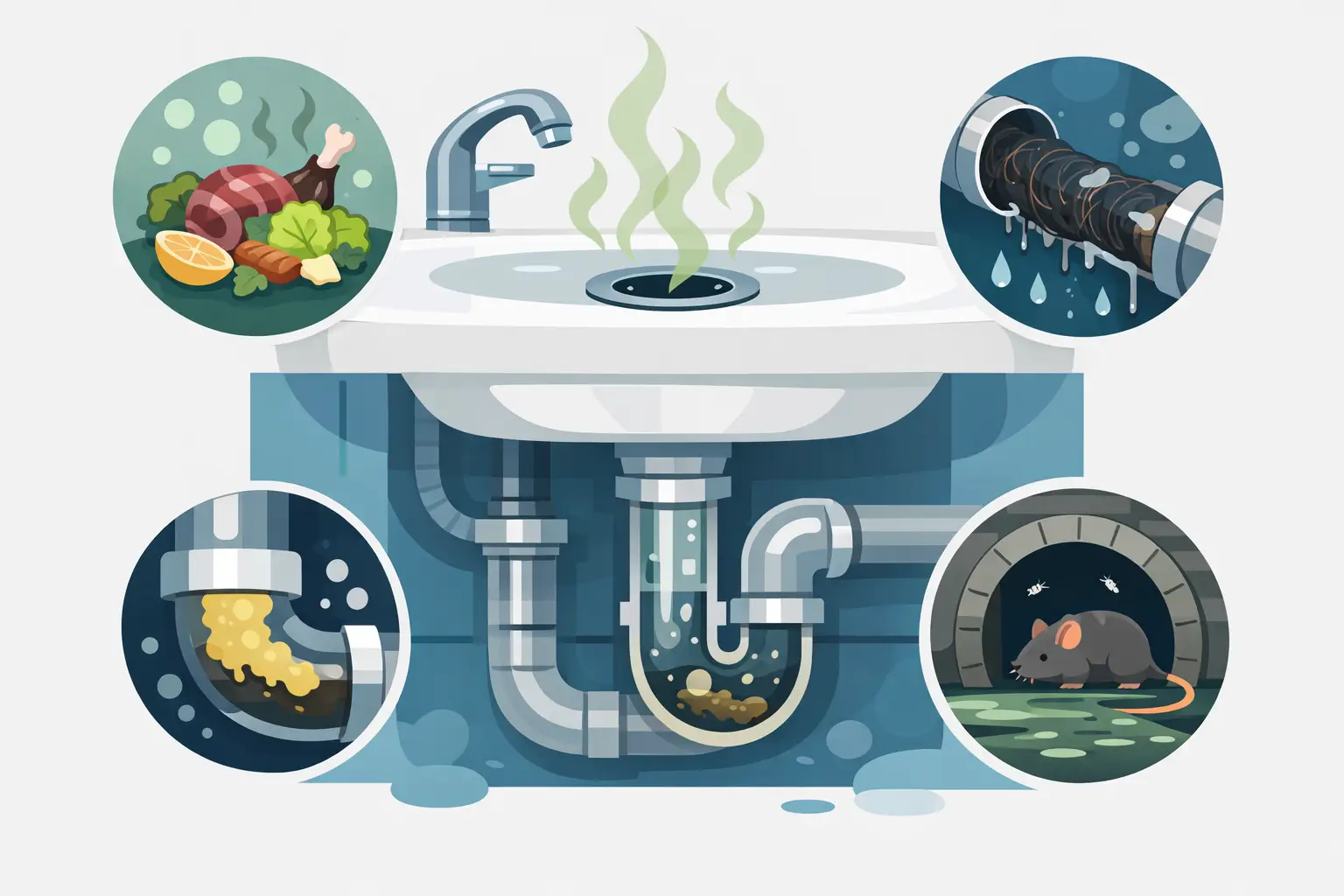
A drain that smells bad tends to make itself known at the worst time – when guests are due, when you are getting ready for work, or when a tenant reports that the kitchen or bathroom has started to pong. If you are asking, why does my drain smell, the good news is that the cause is often identifiable. The less good news is that some smells point to a simple cleaning job, while others suggest a deeper drainage or plumbing fault.
In most properties, unpleasant drain odours come from one of four places: trapped waste sitting in the pipework, a dried-out trap, bacteria building up inside the drain, or a problem further down the drainage system. The trick is working out which one you are dealing with before it turns into a bigger issue.
Why does my drain smell in the first place?
Drain smells usually happen because waste is decomposing somewhere it should not be, or because sewer gases are finding a way back into the room. Your pipework is designed to carry waste away quickly and block smells from returning. When part of that system stops doing its job properly, odours start to escape.
A healthy drainage system relies on water seals, good flow, and proper ventilation. If any of those are compromised, the smell can appear in a kitchen sink, bathroom basin, shower tray, bath, floor drain, or utility room outlet. In commercial buildings, the same principle applies, but the scale and frequency of use often make problems build faster.
The most common causes of a smelly drain
Waste build-up in the trap or waste pipe
This is one of the most common causes, particularly in kitchen sinks and bathroom basins. Grease, soap scum, food particles, hair, shaving residue, and toothpaste do not always wash away cleanly. Over time, they stick to the inside of the trap and waste pipe, creating a layer of decomposing organic material.
That build-up can smell sour, rotten, or musty. Kitchen drains often have a stronger stale-food smell, while bathroom drains tend to smell more like damp residue or stagnant water. If the sink is also draining slowly, that is a strong sign that waste build-up is the issue.
A dried-out trap
Every sink, bath, shower, and many floor drains have a trap that holds a small amount of water. That water acts as a seal to stop foul air from the drain or sewer entering the room. If the fixture is not used for a while, the water can evaporate.
This is especially common in spare bathrooms, empty rental properties, commercial units with little footfall, and utility areas that are rarely used. When the water seal disappears, smells can come through surprisingly quickly. In many cases, simply running the tap for a minute or two is enough to restore the seal.
Bacteria and biofilm in the drain
Sometimes the issue is not a full blockage but a bacterial film coating the inside of the pipework. This is common in bathroom sinks, showers, and condensate drains, where warm moisture encourages growth. The result can be a persistent bad smell even when the water seems to be draining normally.
These deposits can be stubborn. A quick rinse may not shift them, and heavily perfumed off-the-shelf products can mask the smell rather than solve it. Proper cleaning of the waste fitting and trap often makes more of a difference than pouring chemical cleaner down the plughole.
Partial blockages further down the line
If more than one drain smells, or if you notice gurgling noises, slow drainage, or water backing up, the problem may be further down the system. A partial blockage in the branch pipe or underground drainage can allow waste to sit and gases to build up.
This is where a minor smell can turn into a more urgent job. Blockages do not always stay minor, and if left alone they can lead to overflows, leaks, or wastewater coming back into the property.
Problems with venting
Drainage systems need proper ventilation to balance pressure and allow wastewater to flow correctly. If an air admittance valve fails, a vent stack is blocked, or the system has been altered incorrectly, traps can lose their water seal or smells can be drawn into the building.
This sort of issue is less obvious to diagnose without experience. You may notice intermittent odours rather than a constant smell, particularly after flushing a toilet or emptying a bath. In those cases, the smell is a symptom of a wider plumbing fault rather than just a dirty drain.
Why does my drain smell more in the kitchen or bathroom?
The location of the smell usually tells you something useful. In kitchens, grease and food waste are the usual culprits. Even if you are careful, oils and tiny food particles can collect inside the waste pipe over time. Dishwashers connected into the same waste can add to the problem if the pipework is not draining efficiently.
In bathrooms, hair, soap, skin cells, and toothpaste are more likely to be involved. Shower drains are particularly prone to slow, hidden build-up. Because the waste sits just under the grate, the smell can seem stronger at floor level.
If the odour is strongest around a floor drain, unused shower, or little-used sink, a dry trap is more likely. If it is strongest after using water elsewhere in the property, that points more towards venting or pressure issues.
What you can safely try yourself
If the smell appears to be coming from one fixture only, it is reasonable to try a few simple checks first. Run plenty of water to make sure the trap is full. If the drain is slow, remove any visible hair or debris from the plughole or waste cover. Cleaning the trap beneath a basin or sink can also help, provided it is accessible and you are comfortable doing it safely.
Warm water and careful manual cleaning are often enough for minor residue. In some cases, a mixture of washing-up liquid and hot water can help break down greasy build-up in a kitchen waste. What matters most is removing the material causing the smell, not just covering it up.
Be cautious with harsh chemical drain cleaners. They can damage certain pipe materials, create safety risks, and make life harder for the engineer if the problem needs professional attention later. If a drain repeatedly smells despite cleaning, that usually means the root cause has not been dealt with.
Signs it is time to call a professional
A bad smell on its own can be unpleasant. A bad smell with other symptoms suggests the issue is developing. If you notice recurring odours, slow draining across more than one fixture, gurgling sounds, rising water levels, leaks under sinks, or smells outside near inspection covers, it is sensible to get the system checked.
For landlords and commercial operators, speed matters even more. Drain smells can quickly become a tenant complaint, a hygiene concern, or a disruption to staff and customers. A qualified engineer can identify whether the issue is local to one waste pipe or part of a wider drainage fault, saving time and repeat call-outs.
In areas such as Milton Keynes, Luton, Stevenage and Cambridge, many properties include a mix of older drainage layouts and newer alterations, which can make diagnosis less straightforward than it first appears. A proper inspection is often the fastest route to the right fix.
Preventing drain smells from coming back
Most recurring drain odours come from a combination of build-up and lack of maintenance. Regular cleaning of waste fittings, keeping grease and food waste out of kitchen sinks, and flushing little-used outlets with water can prevent many of the common causes.
It also helps to pay attention to early warning signs. A drain rarely goes from perfectly healthy to seriously blocked overnight. Slow flow, occasional smells, and faint gurgling are often the first indicators that the system needs attention.
Where a property has frequent drainage issues, especially in rented homes, commercial kitchens, salons, offices, or multi-use buildings, planned maintenance can be the more cost-effective option. It reduces disruption and catches faults before they become emergency call-outs.
If you have been wondering why does my drain smell, the answer is usually simpler than people fear – but not always something to ignore. A straightforward clean may solve it, or the smell may be warning you that the drainage system is struggling. Either way, dealing with it early is usually quicker, cleaner, and cheaper than waiting for the problem to make the decision for you.