
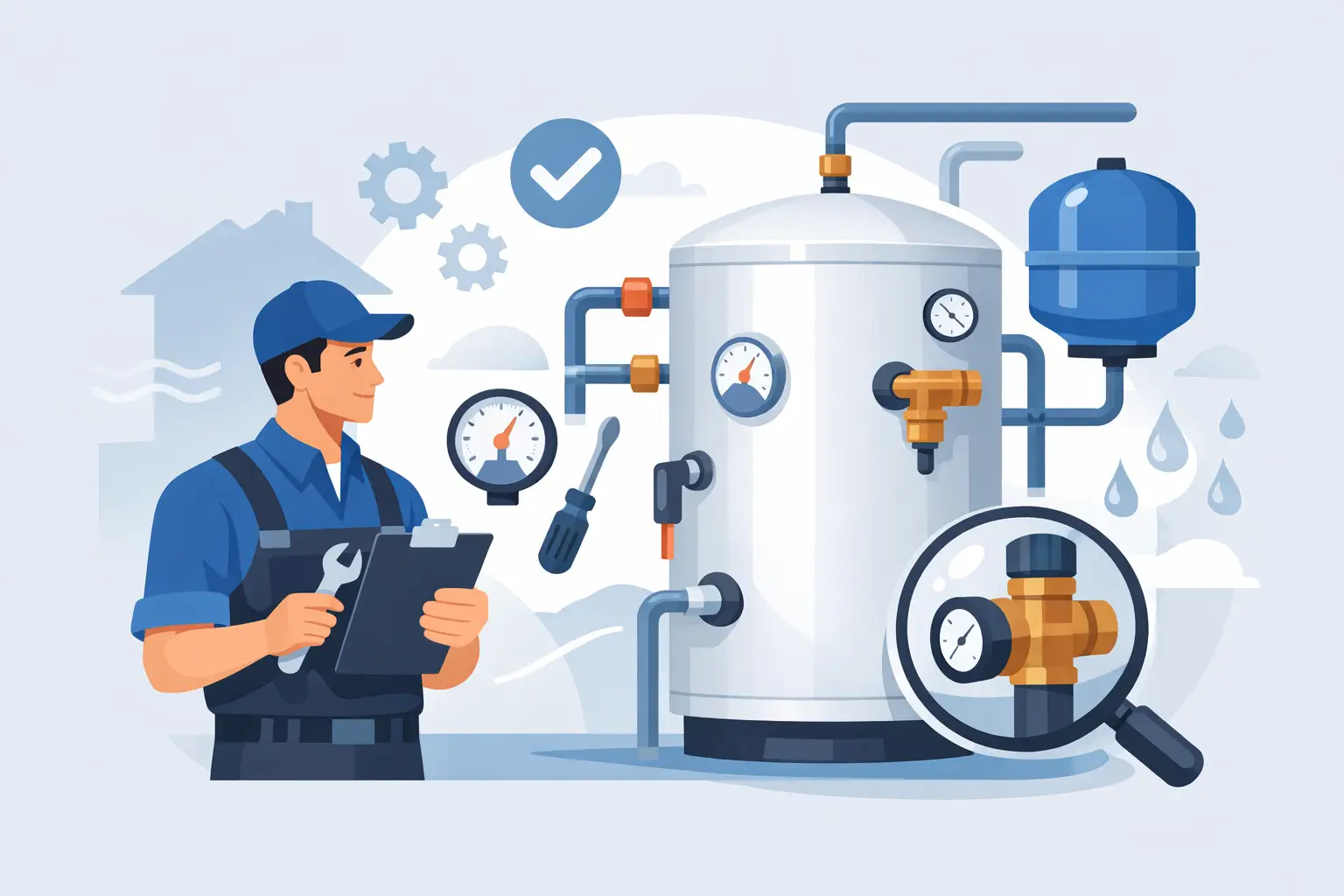
Hot water gone from perfectly normal to unreliable often starts with small signs – slower recovery, odd noises, pressure changes, or a tundish that suddenly starts dripping. An unvented cylinder service is designed to catch those issues early, keep the system working safely, and reduce the risk of a much bigger problem later.
For homeowners, landlords and property managers, unvented hot water cylinders are a good solution when you want strong mains-pressure hot water without relying on a cold water storage tank. They are efficient, compact and well suited to modern properties. They also need the right level of care. Because these systems store pressurised hot water, servicing is not just about performance. It is also about safety, compliance and protecting the life of the cylinder itself.
Why unvented cylinder service matters
An unvented cylinder works differently from a vented system. It is connected directly to the mains water supply and operates under pressure, which is why showers and taps often feel much stronger. That pressure is also the reason the system includes a series of safety devices, such as pressure reducing valves, expansion controls, temperature and pressure relief valves, and discharge pipework.
Over time, those components can wear, become blocked, drift out of adjustment or be affected by limescale and debris. A cylinder may still appear to be working, but that does not mean every safety control is operating exactly as it should. Regular servicing checks the system as a whole, not just whether hot water is reaching the tap.
There is a practical side to this too. A neglected cylinder can become less efficient, develop leaks, create poor hot water performance and place strain on connected components. In hard water areas, scale build-up can make problems more likely. A planned service is usually far less disruptive than an emergency repair or a full replacement.
What happens during an unvented cylinder service
A proper unvented cylinder service should be carried out by a suitably qualified engineer with the relevant certification for unvented hot water systems. This is not a box-ticking exercise. The aim is to inspect, test and verify that the cylinder and its safety controls are functioning correctly.
Checks on safety devices and controls
The engineer will typically inspect the pressure reducing valve, expansion vessel or internal air gap arrangement, temperature and pressure relief valve, expansion relief valve and discharge pipework. These parts are central to safe operation. If one is sticking, passing water when it should not, or failing to respond properly, it needs attention.
The tundish is also important. If it has been dripping, even intermittently, that can indicate an issue elsewhere in the system rather than just a harmless overflow. During servicing, the cause should be investigated rather than ignored.
Inspection of the cylinder and associated pipework
The cylinder body, immersion heaters, connections, controls and visible pipework are checked for signs of corrosion, leaks, damage or poor installation issues. Insulation condition and general system layout may also be reviewed, especially if previous alterations have been made.
In some properties, the problem is not the cylinder itself but a supporting component nearby – a faulty vessel charge, a worn valve, or pressure fluctuations from elsewhere in the plumbing system. A thorough service helps separate the symptom from the underlying fault.
Functional testing
The service should include testing operating temperatures, thermostat performance and system pressure behaviour. The engineer may recharge the expansion vessel where applicable, clean strainers, and confirm that the hot water is heating and storing correctly.
If the cylinder is connected to a boiler, controls and indirect heating operation may also be reviewed. If it uses immersion heaters, those should be checked as part of the wider assessment. The exact scope can vary depending on the make, model and setup, which is why experience matters.
How often should an unvented cylinder be serviced?
In most cases, an annual service is the right standard. That is the recommendation commonly followed for maintaining safe and reliable operation, and it also helps with manufacturer warranty conditions where applicable.
There are situations where more attention makes sense. A cylinder in a larger household with high daily demand may benefit from closer monitoring if performance starts to dip. Rental properties also need a sensible planned maintenance approach because small issues can quickly become tenant complaints, water damage claims or avoidable call-outs.
Commercial and mixed-use sites are a separate consideration again. If hot water demand is high or the system forms part of broader plant maintenance responsibilities, servicing should sit within a wider planned maintenance schedule rather than being treated as an afterthought.
Signs your cylinder may need attention sooner
You do not always need to wait for the annual date if something changes. One of the most common warning signs is water discharging through the tundish. That may point to expansion issues, pressure problems or a valve not sealing correctly. It should be checked.
Other signs include inconsistent hot water temperature, reduced pressure at hot outlets, unusual noises during heating, visible leaks around valves or connections, and a cylinder that seems to run out of hot water faster than it used to. In some cases, there may be no obvious loss of hot water at all, but the system is still not operating properly.
Properties in areas with harder water can see increased scale-related wear on valves and heating elements. If your system has had repeat issues, it may be worth discussing whether any preventive measures are suitable rather than simply replacing the same parts again and again.
Why qualifications matter with unvented systems
An unvented hot water cylinder is not the place for guesswork. These systems must be installed and serviced by engineers who are properly qualified to work on unvented hot water storage systems. That matters for safety, but also for diagnosis. An engineer with the right background is more likely to spot whether the issue is a failed component, incorrect pressure setting, expansion fault, installation defect or something external affecting performance.
For landlords and property managers, using qualified engineers also supports better record keeping and clearer maintenance history. For homeowners, it gives reassurance that the work has been carried out correctly and that any recommendations are based on technical knowledge rather than trial and error.
If a cylinder has been left without servicing for years, the right engineer will also be realistic about what can and cannot be corrected economically. Sometimes a service and a few replacement parts are enough. Sometimes the age, condition or parts availability make replacement the more sensible long-term option. Good advice should be clear, proportionate and transparent.
Repair or replace – when does it make sense?
It depends on the age of the cylinder, the nature of the fault and the overall condition of the system. If the issue is limited to serviceable components such as valves, controls or an expansion vessel, repair is often straightforward. If the cylinder body is leaking, badly corroded or repeatedly failing, replacement is usually the better route.
There is also the question of efficiency and reliability. An older cylinder may still be repairable, but if it has become a recurring source of call-outs, the real cost is not just the parts. It is the inconvenience, the repeat labour and the uncertainty each time the hot water starts playing up again.
For customers across Milton Keynes, Luton, Stevenage and the wider area, that usually comes down to wanting a dependable answer rather than the cheapest short-term fix. The right recommendation should fit the property, the usage and the budget.
Choosing the right service support
When booking an unvented cylinder service, look for a company that handles both routine servicing and fault finding. That matters because if something is discovered during the appointment, you want practical next steps, not a vague report and a second delay.
It also helps to choose an engineering team that works across domestic and commercial systems, because that breadth often shows in the standard of diagnosis, documentation and overall professionalism. Clear communication matters just as much as technical skill. You should know what has been checked, what condition it is in, and whether any follow-up work is actually necessary.
A well-serviced unvented cylinder is usually quiet, efficient and easy to forget about – which is exactly the point. If your hot water system has been left for too long, or it is starting to show the early signs of trouble, getting it looked at sooner is usually the simpler and more cost-effective decision.