
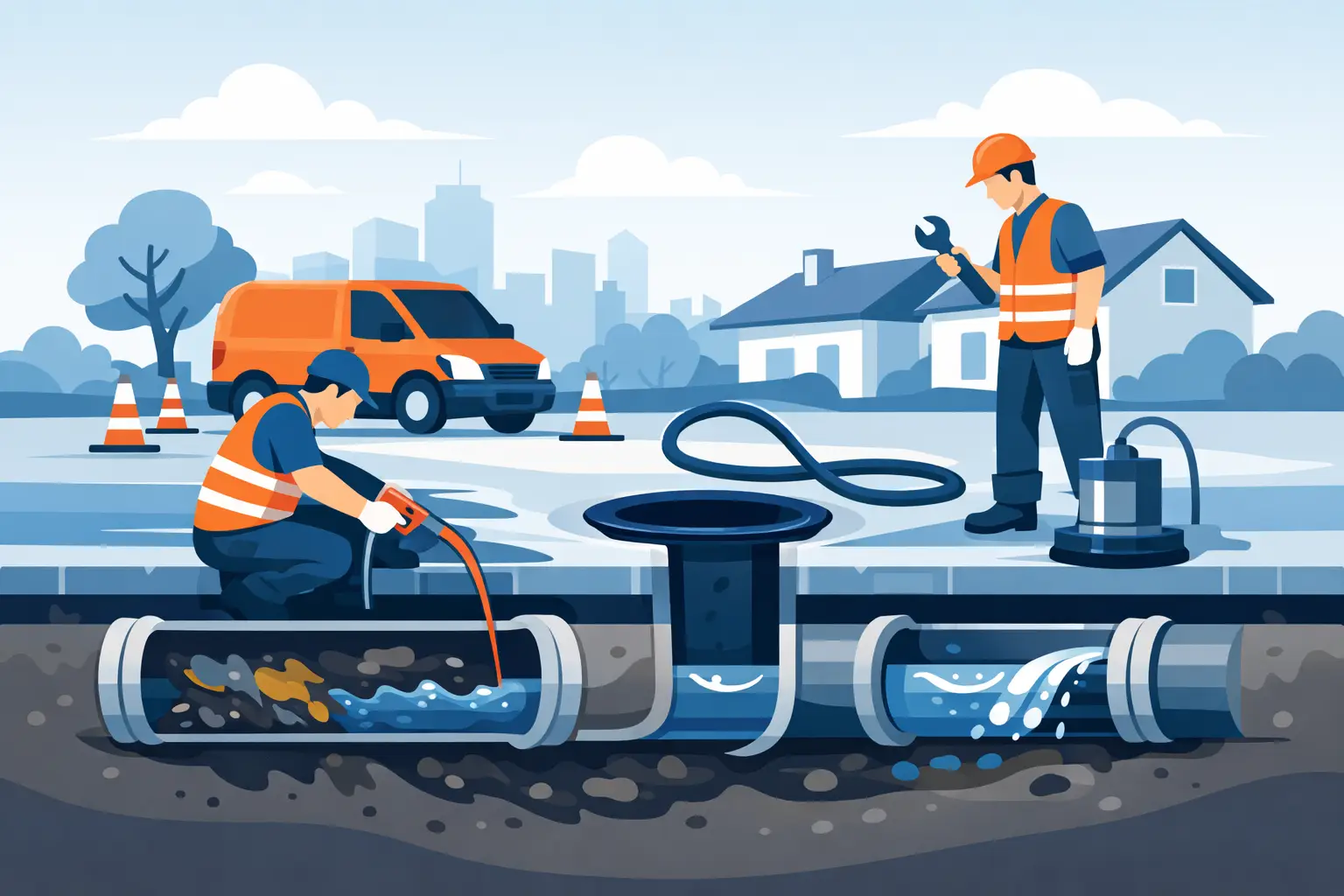
A slow-draining kitchen sink is inconvenient. Water rising in a toilet, a foul smell near an outside gully, or wastewater backing up into a property is different – it needs prompt attention. Professional drainage repair Luton homeowners and businesses can rely on is about finding the real cause, restoring safe flow and avoiding the repeat problems that temporary fixes often leave behind.
Drain issues are rarely improved by waiting. A partial blockage can quickly become a complete obstruction, while a damaged underground pipe may allow water and waste to escape where it should not. Acting early protects the property, reduces disruption and gives an engineer the best chance of resolving the fault before it develops into a larger repair.
When drainage repair in Luton is the right call
Not every slow drain means the pipework has failed. Hair, soap residue and food debris can build up close to a plughole and may be cleared with sensible routine cleaning. However, repeated blockages, multiple affected fixtures or water coming back up through a drain point to a problem further along the system.
A professional inspection is particularly worthwhile if toilets are slow to clear, sinks and baths are draining poorly at the same time, outside gullies overflow, or there is a persistent sewage smell. Gurgling noises from pipes can also indicate trapped air caused by a restriction in the drainage line.
For landlords, facilities managers and commercial operators, these signs should be addressed quickly. A blocked staff toilet, kitchen waste line or customer washroom is not simply an inconvenience. It can affect hygiene, day-to-day operations and, in some cases, the ability to keep a site open.
Warning signs that should not be ignored
Water backing up into a shower tray or sink when another appliance is used usually means the blockage is beyond the individual waste pipe. Similarly, damp patches or unusually lush areas of ground around external drains may suggest a leaking underground pipe.
Rodent activity around drain covers, displaced covers, cracks in paving or a drain that needs clearing again soon after treatment can all be clues that there is more going on than a straightforward blockage. Tree roots, movement in the ground, broken joints and ageing pipework are common causes of recurring faults.
If wastewater is entering the building, avoid using taps, toilets, washing machines and dishwashers until the issue has been assessed. This helps prevent further flooding and reduces the risk of contamination.
How a drainage repair is properly diagnosed
The best repair starts with a clear diagnosis. Clearing a blockage may restore flow, but it does not necessarily explain why it formed. Qualified drainage engineers use the symptoms, access points and condition of the system to decide whether the issue is localised or part of a wider defect.
For accessible obstructions, professional rodding or high-pressure water jetting can remove built-up waste, grease, scale and debris. Jetting is often effective where a basic drain rod would only create a narrow channel through the blockage. The method must be chosen carefully, particularly with older or visibly damaged pipework, as force alone is not a substitute for an informed assessment.
Where the fault keeps returning, a CCTV drain survey can be the sensible next step. A camera inspection provides a view inside the pipe, helping identify fractures, displaced joints, root ingress, collapsed sections or poor gradients. It turns a guess into evidence and helps avoid unnecessary excavation.
This matters because the right solution depends on the defect. Roots may need removing and the affected section repairing. A cracked pipe may be suitable for a no-dig lining repair, while a collapsed or badly displaced run could require targeted excavation and replacement. A trustworthy engineer should explain the findings in plain terms, set out the available options and be clear about costs before major work begins.
Repair options depend on the condition of the drain
There is no single fix for every drainage fault. For many homes, clearing and cleaning the line is enough. This is commonly the case where fat, wipes, scale or debris have accumulated in an otherwise sound pipe.
If a camera survey identifies a small crack, leaking joint or root-damaged section, a drain lining repair may avoid the need to dig up a driveway, path or landscaped area. A resin liner is installed inside the existing pipe to form a new internal surface. It can be a practical, lower-disruption option, although it is not suitable for every shape or severity of damage.
Excavation remains necessary when pipework has collapsed, fallen out of alignment or has defects too significant for lining. While this is more disruptive, a targeted repair based on accurate diagnostics is very different from digging without knowing where the fault lies. The aim should be to expose only the area that needs attention, replace it correctly and reinstate the surface neatly.
Commercial sites may also need consideration for larger pipe runs, grease build-up, access restrictions and operating hours. Planned work can sometimes be scheduled around trading or site activity, whereas a sewage backup will always require an urgent response.
Common causes of blocked and damaged drains
Many drainage problems begin with everyday habits. Cooking fat and oil may look harmless when poured away warm, but they cool and solidify inside the pipe. Wet wipes, cotton buds, sanitary products and paper towels do not break down like toilet tissue, even when packaging suggests otherwise.
Outside, leaves, soil and garden debris can block gullies. Older properties may have pipes affected by years of movement, while trees seek moisture and can force roots through vulnerable joints. Heavy rainfall can expose an existing restriction, particularly if gullies and surface water routes have not been kept clear.
The responsibility for a repair can depend on where the fault is located. Pipework serving only one property is often the owner’s responsibility, while a shared drain or public sewer may involve the relevant water company. This is another reason a proper assessment is useful: it helps establish the likely location and nature of the issue before work is authorised.
Preventing repeat drainage problems
A few practical habits reduce the chance of avoidable call-outs. Allow cooking fat to cool and dispose of it in the bin rather than the sink. Use sink strainers to catch food waste and clear hair from shower and bath traps regularly. Only toilet tissue should be flushed, even in homes with macerators or newer drainage systems.
Keep external gullies free from leaves and check that rainwater can flow away during wet weather. If a property has mature trees close to underground drainage, periodic inspection can be a sensible precaution, especially where there has been a history of root ingress.
For managed properties and businesses, planned drainage maintenance can be more cost-effective than reacting to recurring blockages. Kitchens, communal buildings, rental portfolios and busy workplaces often place greater demand on drainage systems. Regular checks and cleaning allow emerging issues to be dealt with before they interrupt tenants, staff or customers.
Choosing a dependable drainage engineer
When drainage fails, clear communication matters as much as the equipment used. Look for a provider that can explain whether the immediate task is clearance, investigation or repair, rather than treating every fault as the same problem. Transparent pricing, tidy working practices and an honest recommendation are particularly valuable when work may involve a survey, lining or excavation.
LCA Maintenance supports domestic and commercial customers with responsive, professional drainage services alongside wider plumbing and mechanical expertise. That broader knowledge can be useful where a drainage issue affects bathrooms, kitchens, plant areas or other parts of the property.
If a drain is overflowing, wastewater is backing up or a blockage keeps returning, arrange an assessment rather than relying on repeated chemical treatments. A timely, properly diagnosed repair can protect your property and restore the confidence that every tap, toilet and gully will work as it should.