
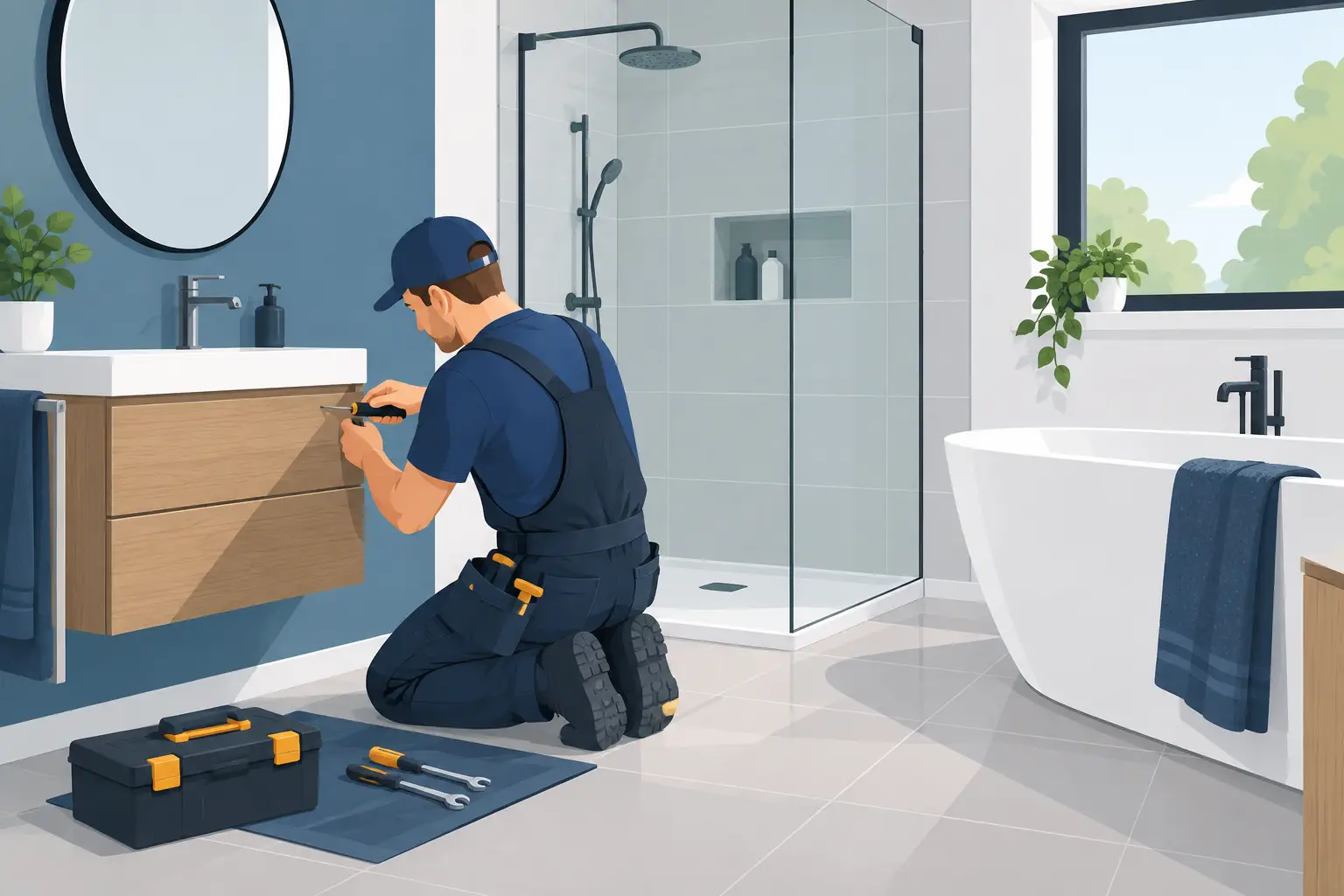
A bathroom can look finished long before the important work is complete. Pipework, drainage falls, ventilation, electrical safety and waterproofing all sit behind the tiles and panels, where shortcuts can become expensive problems later. Choosing experienced bathroom fitters Bedfordshire homeowners can rely on is therefore about far more than selecting a suite you like.
A well-planned installation should give you a room that works every day: reliable hot water, good water pressure, effective extraction, practical storage and surfaces that remain watertight. Whether you are updating a compact en-suite, improving a family bathroom or refurbishing several properties, the quality of the fitting makes the difference.
What Good Bathroom Fitters in Bedfordshire Should Assess First
The first conversation should not begin and end with taps and tile samples. A professional fitter will want to understand how the existing bathroom performs, what you would like to change and what may be hidden behind the walls or beneath the floor.
Water pressure is a good example. A rainfall shower may look appealing, but it needs the right supply to perform properly. Homes with a gravity-fed system, a combi boiler or older pipework can all have different limitations. In some cases, a shower pump, improved pipework or a different shower valve is the sensible answer. In others, selecting a more suitable shower head avoids unnecessary cost.
Drainage needs the same care. Moving a toilet, shower or basin can transform a layout, but it may involve altering waste pipes and checking whether suitable falls can be achieved. This is particularly relevant in older properties, where floors and existing pipe runs are not always straightforward. A trusted installer explains what is practical before work starts, rather than promising a layout that causes issues halfway through the project.
Ventilation is another detail worth getting right. Bathrooms create moisture every day, and extractor fans that are undersized, poorly positioned or simply not used for long enough can lead to condensation, mould and damaged finishes. The right fan and duct route will depend on the room, how it is used and the property’s construction.
Design for Everyday Use, Not Just the Showroom
The most successful bathroom designs balance appearance with the way the household actually lives. A busy family may need a bath, durable storage and easy-clean finishes. A couple refurbishing an en-suite may prefer a generous walk-in shower. For a landlord, hard-wearing materials and accessible isolation valves can make future maintenance quicker and less disruptive.
Before committing to a layout, think about clearances as well as dimensions. Can the shower screen open fully? Is there room to dry off without knocking the basin? Will a tall unit make the room feel cramped? Small bathrooms benefit from careful decisions: wall-hung furniture can reveal more floor area, recessed storage can reduce clutter, and a correctly sized shower tray can be more useful than squeezing in the largest possible model.
There are trade-offs with every choice. Large-format tiles can create a clean, contemporary look with fewer grout lines, but they require a suitably flat surface and careful handling. A frameless shower screen looks refined, yet needs regular cleaning in hard-water areas. A concealed shower valve produces a neat finish, though access for future servicing should be considered during installation.
Good bathroom fitters will help you make these decisions without pushing you towards features that do not suit your room, budget or routine.
The Work Behind a Long-Lasting Bathroom
A bathroom refit is a coordinated project. It often involves plumbing, heating, electrical work, joinery, plastering, tiling, flooring and decorating. The visible finish matters, but the order of the work matters just as much.
Once the old fittings are removed, the installer can inspect the condition of the walls, floors and pipework. This is the point at which hidden leaks, rotten timber, inadequate flooring or outdated plumbing are most likely to come to light. Allowing a sensible contingency in the budget is wise, particularly for older bathrooms that have not been opened up for many years.
Waterproofing around showers and baths deserves particular attention. Tiles and grout are not a complete waterproof barrier on their own. Areas exposed to regular water should be properly prepared and tanked where appropriate before tiling begins. This protects the structure behind the finish and reduces the risk of leaks reaching adjoining rooms or floors below.
Electrical work must also be planned safely. Bathroom zones place restrictions on where fittings can be installed, and lights, fans, underfloor heating and shaver sockets may all need suitable protection and certification. If your project includes alterations to heating controls, towel rails or a hot-water system, it makes sense to use a contractor that understands the wider plumbing and heating picture rather than treating the bathroom as an isolated room.
Questions to Ask Before Appointing Bathroom Fitters Bedfordshire
A clear quotation is one of the strongest signs of a well-managed project. It should set out what is included, the scope of labour, the materials or fittings being supplied, and any assumptions that could affect the final price. It is worth checking who is responsible for waste removal, tile quantities, decorating, electrical certification and any alterations needed once the existing bathroom is stripped out.
Ask how the programme will be managed. A straightforward replacement may be completed quickly, while a full redesign involving moved pipework, bespoke furniture or extensive tiling will take longer. The right timescale is not necessarily the shortest one. Proper preparation, drying time and coordination between trades help protect the finish.
You should also ask about qualifications and relevant registrations. Gas work must be completed by a Gas Safe registered engineer. Electrical work should be handled and certified appropriately. For any plumbing or heating changes, choose a team with the experience to test the system properly on completion.
Finally, discuss communication. You should know who your main point of contact is, when the team will be on site, how variations will be agreed and what happens if an unexpected issue is found. Transparent pricing and clear updates remove much of the stress from a refurbishment.
Planning Your Budget Sensibly
Bathroom costs vary because no two rooms start from the same position. Retaining the existing layout can reduce plumbing and drainage work, leaving more of the budget available for better fittings and finishes. Moving sanitaryware, repairing damaged floors or upgrading heating and ventilation can increase the cost, but may be worthwhile where it improves reliability and comfort.
It is tempting to focus only on the price of the bath, shower or tiles. However, installation quality, preparation and the components you cannot see are where lasting value is created. Reliable valves, correctly sized waste pipes, suitable backer boards and effective waterproofing are not the most glamorous parts of a new bathroom, but they are often the parts that prevent disruption later.
For landlords and property managers, standardising certain fittings across a portfolio can also be practical. Using dependable, readily available shower cartridges, basin taps and toilet components can make future repairs faster. For owner-occupiers, the better choice may be a more tailored design that improves the home’s daily use and long-term appeal.
A Professional Installation Should Finish With Proper Checks
Before handover, the room should be tested rather than simply admired. Taps, wastes, toilet flushes, showers, heating, extractor fans and any new electrical fittings all need checking. The installer should look for leaks, confirm that water drains as it should and make sure controls are understood.
A tidy handover matters too. You should be shown how to care for the new surfaces, where isolation valves are located and how any specialist products or controls operate. Keep certificates, guarantees and product information together for future reference.
LCA Maintenance brings plumbing, heating and bathroom installation experience together, helping customers make informed choices from the first survey through to final testing. That joined-up approach is particularly useful where a bathroom project involves more than replacing like for like.
The best time to raise a concern is before the first tile is fixed. Be open about how you use the room, what has frustrated you about the old bathroom and where you are prepared to compromise. A qualified, friendly installer can then turn those details into a bathroom that feels right on day one and continues to work properly for years to come.