
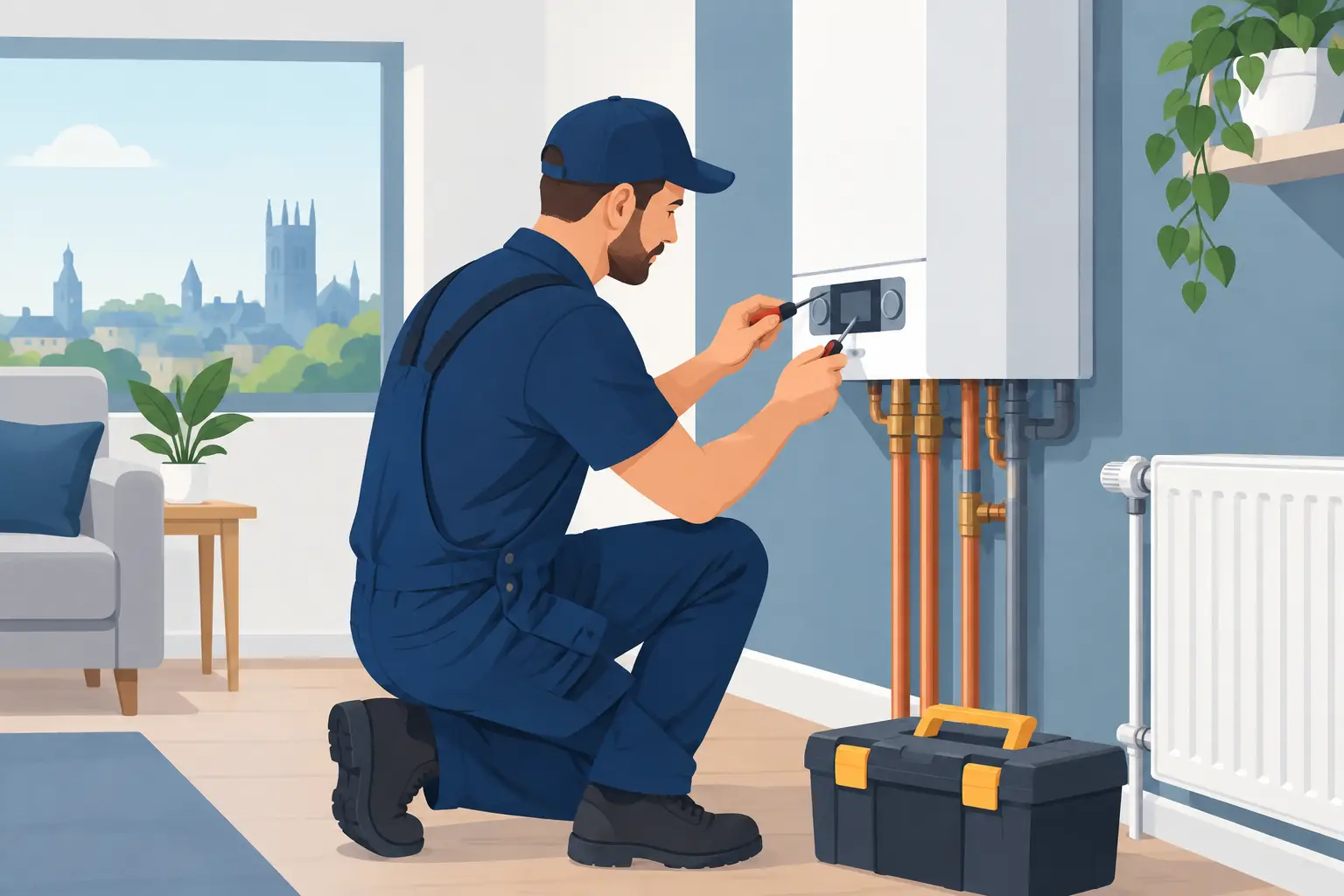
A boiler that locks out on a cold morning is not a problem to put off until next week. Nor is a heating system that is making unfamiliar noises, leaving rooms cold or sending energy bills steadily upwards. When searching for heating engineers Northampton property owners can depend on, the priority is straightforward: a properly qualified professional who can identify the cause, explain the options clearly and carry out the work safely.
For homeowners, landlords and business owners, good heating support is about more than getting the radiators warm again. It is about protecting the building, controlling running costs and avoiding the disruption of an untimely breakdown.
When to call heating engineers in Northampton
Some heating faults are obvious. No heating, no hot water, a leaking boiler or a system that will not stay on all need prompt attention. Others begin quietly, with a boiler taking longer to heat up, radiators that need frequent bleeding or rooms that never seem to reach a comfortable temperature.
Calling an engineer early can often prevent a smaller issue becoming a more expensive repair. A failing pump, worn valve, low system pressure or build-up of sludge may affect how well a system performs long before it stops completely. The right diagnosis matters. Replacing parts without finding the underlying cause can create repeat visits, unnecessary cost and continued inconvenience.
If you smell gas, suspect a carbon monoxide issue or see signs of a serious leak, turn off the appliance if it is safe to do so, ventilate the property and seek urgent professional assistance. Do not attempt to repair a gas appliance yourself.
Common signs your heating system needs attention
A heating engineer should be considered if your boiler is displaying an error code, losing pressure regularly or making banging, whistling or gurgling sounds. Cold patches on radiators, discoloured water around pipework and an unreliable hot water supply also deserve investigation.
High bills can be another warning sign. Energy costs vary with usage and tariff, but a noticeable increase without a clear explanation may point to poor boiler efficiency, incorrect controls or a system that needs servicing and adjustment. In commercial premises, uneven temperatures can affect staff comfort, customer experience and the smooth running of the site.
Qualifications are not a detail
Any engineer working on a gas boiler, gas fire or gas pipework must be Gas Safe registered and qualified for the type of appliance involved. This is a basic safety requirement, not an optional extra. Before work begins, customers should feel comfortable asking to see identification and checking that the engineer is appropriately registered.
There is a practical reason for this. Modern heating systems combine gas appliances, electrical controls, sealed water systems, flues and safety devices. A fault can have more than one cause, and safe work depends on understanding how those elements operate together.
For landlords, gas safety responsibilities require particular care. Annual gas safety checks, accurate records and timely repairs help protect tenants while supporting compliance. Commercial buildings may also have broader obligations around planned maintenance, plant-room safety and system documentation. A contractor with experience across domestic and commercial work can make these requirements easier to manage.
Repair, service or replacement: choosing the sensible route
Not every boiler fault means replacement is needed. A relatively new boiler with a clear, repairable issue can often be restored economically, especially where replacement parts are available and the rest of the system is in sound condition. Equally, repeatedly repairing an older, inefficient boiler may be poor value over time.
The decision depends on the appliance’s age, repair history, condition, efficiency and the likely cost of the work. It also depends on how well the boiler suits the property. A growing household may need stronger hot water performance, while a smaller, well-insulated home may benefit from more accurate controls rather than an oversized new appliance.
A trustworthy engineer should set out the trade-offs without pressure. That means explaining what has failed, what a repair involves, whether there are any wider system concerns and what replacement would achieve if it is the better long-term option. Transparent pricing and a clear scope of work give customers a fair basis for deciding.
Why a boiler service still matters
An annual boiler service is one of the most effective ways to reduce the chance of an inconvenient breakdown. During a service, an engineer checks that the appliance is operating safely and efficiently, inspects key components and identifies wear before it develops into a fault.
A service cannot guarantee that a future breakdown will never happen, particularly with older appliances. It does, however, provide an opportunity to spot issues early and helps maintain manufacturer warranty conditions where these apply. It is particularly valuable before winter, when heating systems are placed under their greatest demand.
Looking beyond the boiler
A new boiler cannot always solve a heating problem on its own. If radiators are poorly balanced, pipework is restricted by debris or controls are outdated, the system may still waste energy and deliver uneven comfort. Good heating engineers look at the whole installation rather than treating the boiler as an isolated unit.
System cleaning may be appropriate where there is evidence of sludge or poor circulation. Thermostatic radiator valves can help households control temperatures room by room, while modern programmable controls make it easier to heat occupied areas at the right times. In some properties, improving insulation and reducing draughts should happen alongside heating upgrades, because it lowers the demand placed on the system.
For landlords and property managers, consistency is often the key concern. Planned servicing, responsive repairs and clear records reduce avoidable tenant complaints and make budgeting more predictable. For commercial operators, a planned maintenance approach can reduce downtime and support a safer, more comfortable working environment.
What a professional visit should feel like
Technical knowledge is essential, but customer care matters too. A professional engineer should arrive prepared, listen to the symptoms, protect the work area where needed and explain findings in plain English. You should not be left guessing what has been done or what needs to happen next.
Before approving significant work, ask for a clear breakdown of the recommended repair or installation. It should cover the likely cause of the problem, the parts and labour involved, any assumptions made and whether additional work may be needed once the system is opened up. This is particularly useful with older systems, where hidden corrosion or obsolete components can occasionally change the scope of a repair.
Reliability also shows in the finishing details: tidy pipework, correctly commissioned equipment, operating instructions and paperwork provided when the job is complete. These are not luxuries. They help protect your investment and give you confidence in the work carried out.
Heating support for homes and businesses
The needs of a family home and a commercial site are not identical. A domestic customer may need a rapid response to restore hot water, advice on a boiler replacement or help improving radiator performance. A business may require support for larger plant, multiple heating zones, staff welfare areas or planned mechanical maintenance.
In both cases, the principle is the same: use engineers with the right capability for the job. LCA Maintenance supports domestic and commercial customers with qualified heating, plumbing and mechanical services, combining reactive repairs with planned maintenance and installation work.
When choosing a provider, look for clear credentials, straightforward communication and evidence that they understand the type of property you are responsible for. The cheapest initial quote is not always the best value if it omits necessary checks, uses unsuitable components or leaves the underlying issue unresolved.
A well-maintained heating system should fade into the background: warm rooms when they are needed, dependable hot water and controls that make sense. If yours is demanding attention, acting before the next cold spell gives you more choice, less disruption and a better chance of a lasting fix.