
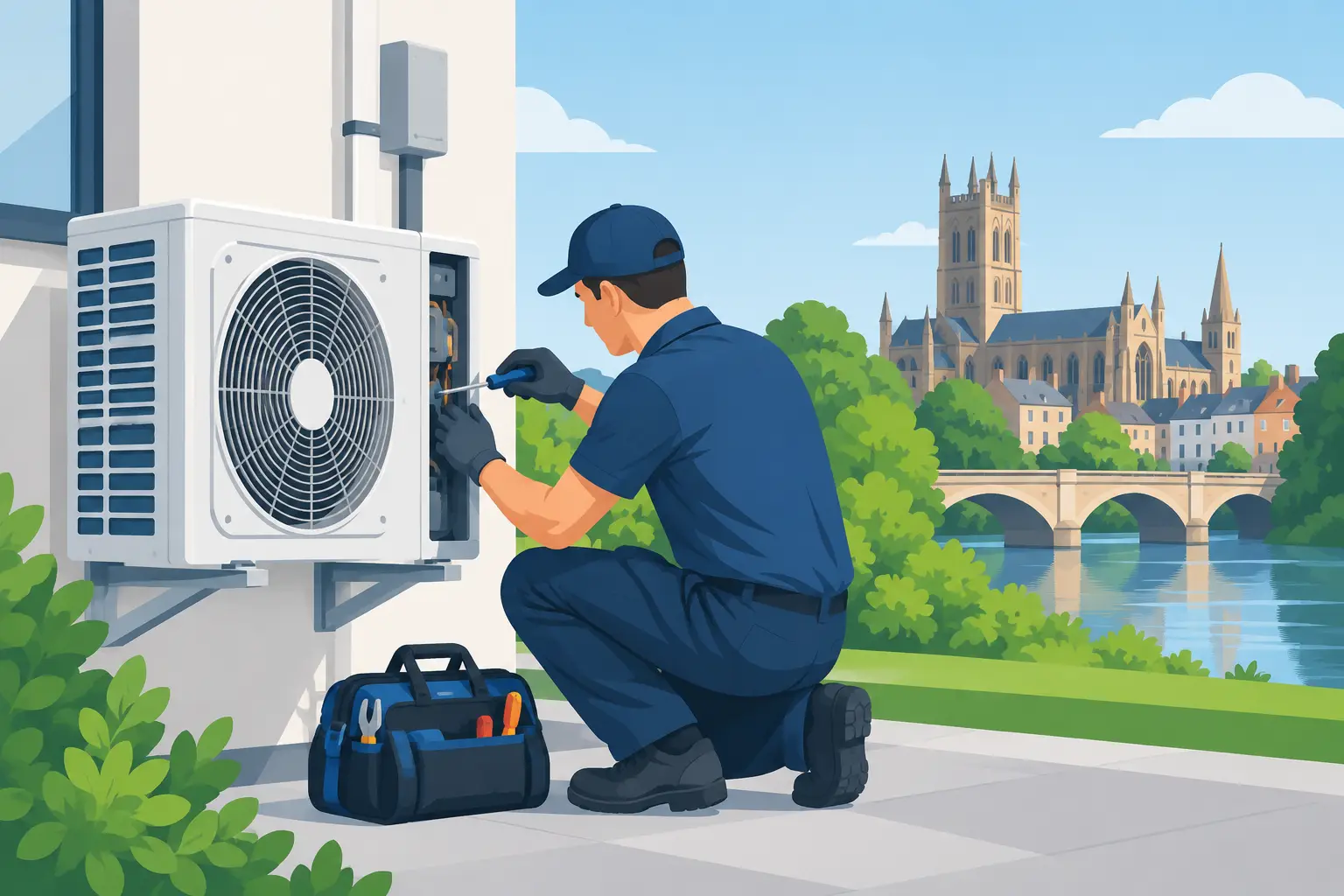
Air conditioning maintenance Northampton property owners arrange before a fault develops is usually simpler, less disruptive and less expensive than an emergency repair in the middle of a heatwave. Whether you run a busy office, manage rental properties or want dependable cooling at home, regular care keeps your system delivering the comfort you paid for.
A well-maintained air conditioning unit does more than blow cold air. It removes moisture, helps maintain a more comfortable indoor environment and, in many commercial settings, supports staff wellbeing, customer comfort and reliable equipment operation. The challenge is that many faults begin quietly: a filter gradually blocks, a drain starts to restrict or a component works harder than it should. By the time cooling output noticeably drops, avoidable wear may already be underway.
Why air conditioning maintenance matters
Air conditioning systems are designed to move heat rather than create cold air. To do that efficiently, airflow needs to be clear, the indoor and outdoor coils need to transfer heat effectively, and the controls, drainage and electrical components need to operate as intended. Dirt, debris and minor wear interfere with that process.
The immediate effect can be weak airflow, uneven temperatures or a unit that takes longer to cool a room. The longer-term effect may be higher energy use, preventable component failure and a shorter working life for the system. For a shop, office, server room or hospitality venue, an unexpected breakdown can also disrupt normal trading.
Maintenance is not a guarantee that a unit will never fail. Parts can wear out and external factors such as storm damage or a power issue can still cause problems. It does, however, give an engineer the opportunity to identify developing concerns before they become urgent and to keep the system operating as efficiently as possible.
What a professional service should cover
The exact scope depends on the equipment, its age, how heavily it is used and the manufacturer’s requirements. A domestic wall-mounted split unit needs a different approach from a multi-room system or commercial air handling equipment. A thorough visit should therefore be based on the installation rather than a one-size-fits-all checklist.
A planned service commonly includes cleaning or assessing filters, checking indoor and outdoor units for dirt and damage, and making sure condensate can drain freely. The engineer should inspect accessible electrical connections and controls, assess airflow and temperature performance, and listen for unusual vibration or noise. Refrigerant circuit checks, where appropriate, must be carried out by suitably qualified personnel.
The outdoor condenser deserves particular attention. Leaves, dust, packaging and vegetation can restrict airflow around it, especially where the unit is tucked behind a building or enclosed in a tight service area. Cleaning has to be done carefully: aggressive methods can damage the delicate coil fins and create a bigger problem than the original dirt.
For commercial systems, maintenance may also involve reviewing operating schedules, checking multiple indoor units, assessing isolation points and recording work for site management. Landlords and facilities managers often benefit from planned visits because they create a clearer service history and make it easier to budget for repairs or future replacement.
Signs your system needs attention
A sudden breakdown is obvious, but it is rarely the first sign of trouble. Book an inspection if your air conditioning is cooling less effectively than it used to, takes far longer to reach the set temperature, produces an unfamiliar smell or makes persistent rattling, buzzing or clicking noises.
Water dripping from an indoor unit should also be investigated. It may be caused by a blocked condensate drain, though the cause needs to be properly diagnosed rather than guessed. Similarly, an unexplained increase in electricity use can indicate a system running inefficiently, but it could also relate to changed occupancy, longer operating hours or another electrical load. An engineer can help separate a genuine system issue from normal changes in use.
In commercial premises, recurring comfort complaints are worth acting on early. If one meeting room is always too warm while another is too cold, the answer may be as simple as controls, filters or airflow. In other cases, it may point to sizing, layout or installation issues that require a more detailed assessment.
Simple checks between service visits
There are sensible steps owners and site teams can take without opening panels or attempting technical repairs. Keeping the area around the external unit clear is helpful, and visible dust can be removed from grilles using a gentle approach. If your manufacturer’s instructions allow it, washable filters can be cleaned and fully dried before refitting.
It is also worth paying attention to how the system behaves. Record recurring warning messages, water leaks, unusual noises and rooms that do not reach the expected temperature. For businesses, a short log of the affected area, time of day and operating conditions can make diagnosis quicker when an engineer attends.
Avoid attempting to top up refrigerant, dismantle electrical covers or straighten coil fins with improvised tools. These tasks can be unsafe, risk damaging the equipment and may affect compliance obligations. If a unit is leaking water, tripping electrics or displaying a fault code, switch it off if it is safe to do so and arrange professional advice.
How often should air conditioning be serviced?
For many homes, an annual service before the warmer months is a sensible starting point. It gives the system the best chance of performing when it is needed most and avoids finding a problem on the first hot day of the year.
Commercial requirements are often more frequent. A unit in a lightly used office may need a different schedule from equipment in a restaurant, gym, retail space or plant room operating for long hours. High-occupancy environments accumulate more dust and place greater demand on cooling, while equipment-critical areas may need closer monitoring because downtime carries a greater cost.
Manufacturer guidance, the type of system and any relevant lease, insurance or site compliance requirements should shape the plan. The most useful maintenance schedule is not necessarily the most frequent one. It is the one that reflects how the equipment is actually used and provides enough oversight to spot issues promptly.
Choosing the right maintenance partner
Price matters, but the cheapest visit is not always the best value if it amounts to a quick visual check with no meaningful testing or record of the work completed. Look for a company that explains what is included, communicates clearly about any findings and gives straightforward recommendations where repairs or improvements are needed.
For property managers and commercial operators, consistency is particularly valuable. The same trusted maintenance provider can understand the site, keep records organised and coordinate reactive repairs when required. For homeowners, the priority is often a friendly engineer who arrives as arranged, protects the property and explains the issue in plain English.
LCA Maintenance provides planned and reactive mechanical services for domestic and commercial customers across Northampton and the wider region. Where air conditioning concerns arise, a professional assessment helps establish whether the system needs routine cleaning, a repair or a more considered conversation about performance and future reliability.
Keep small issues from becoming hot-weather emergencies
The best time to arrange air conditioning maintenance is when the system is still working and you have time to make an informed decision. A planned visit can protect comfort, reduce avoidable strain on equipment and give you confidence that your home or premises is ready when temperatures rise.