
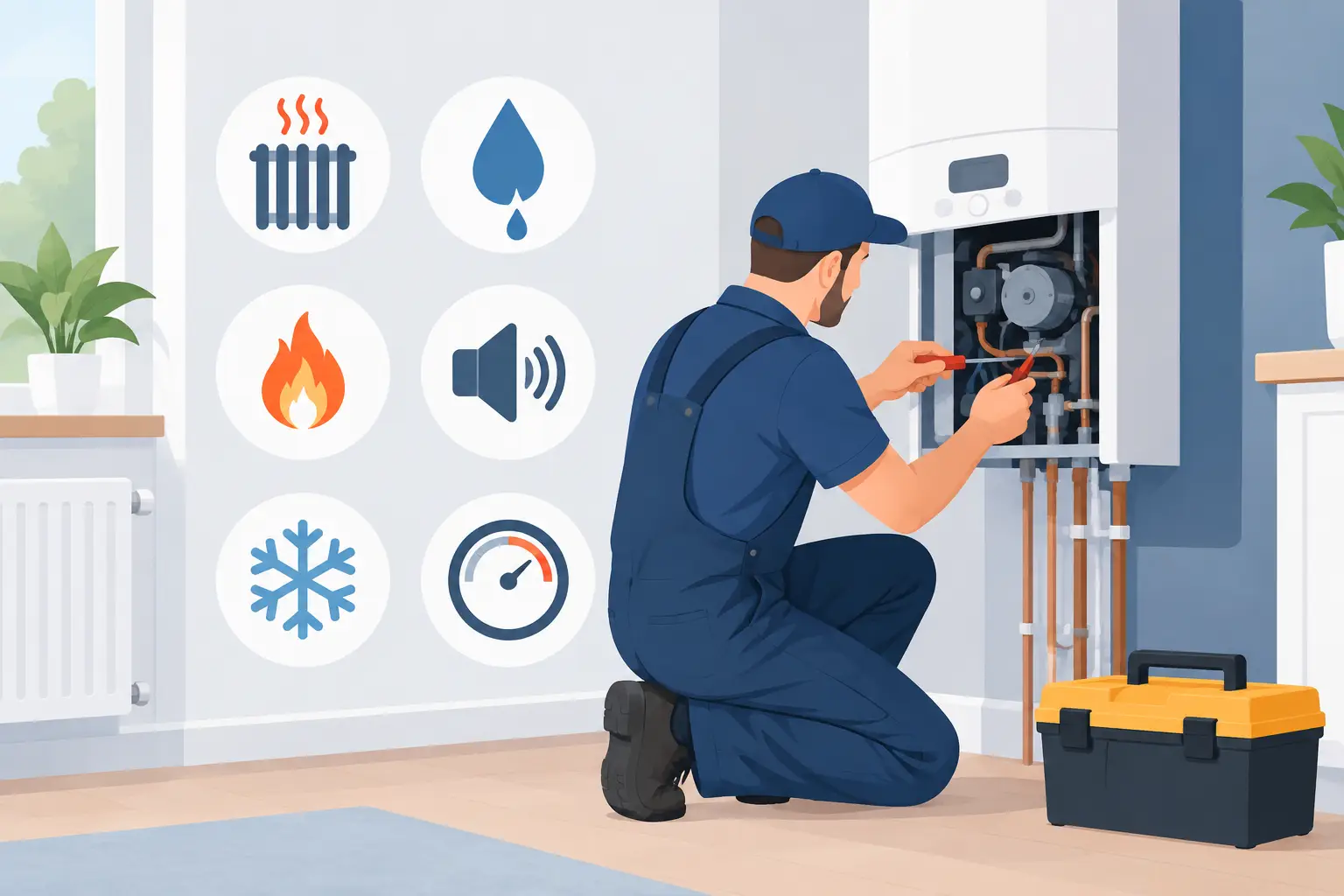
A cold radiator is inconvenient. A boiler that will not fire up when your household has no hot water is a different matter entirely. When people search for boiler repair Luton, it is usually because something has changed quickly: the heating is making unfamiliar noises, the pressure keeps dropping, or a fault code has appeared at exactly the wrong time.
The right response depends on the fault. Some issues can wait for a booked visit, while others need prompt attention to restore safe, reliable heating and hot water. What should never wait is suspected gas trouble. If you can smell gas, feel unwell with headaches or nausea, or a carbon monoxide alarm sounds, turn off the appliance if it is safe to do so, open doors and windows, leave the property, and contact the relevant emergency gas service. Do not attempt to investigate or repair a gas appliance yourself.
When should you book a boiler repair in Luton?
Boilers rarely stop working without leaving any clues. Picking up on those clues early can prevent a small repair becoming a prolonged breakdown, particularly during colder weather when heating systems are working hardest.
A qualified Gas Safe engineer should inspect your boiler if you notice any of the following:
- The boiler is losing pressure repeatedly, even after it has been repressurised.
- Hot water runs hot and cold, or takes much longer than normal to reach the tap.
- Radiators stay cold, heat unevenly, or require frequent bleeding.
- The boiler locks out, displays a fault code, or needs resetting more than once.
- You hear banging, whistling, tapping or gurgling from the boiler or heating pipework.
- There is visible water beneath the appliance, corrosion around connections, or staining on nearby walls or cupboards.
- Your energy bills have increased without a clear change in how you use your heating.
A one-off reset after a brief power cut may not signal a major fault. Repeated lockouts are different. Resetting a boiler again and again can mask an underlying issue, such as low system pressure, ignition failure, a faulty sensor or a circulation problem. Recording the fault code and when it appears gives the engineer a useful starting point.
Common boiler faults and what they can mean
Low pressure is one of the most common reasons a heating system stops working properly. A small pressure drop can happen over time, but frequent losses usually point to a leak somewhere in the system, a problem with the pressure relief valve, or an issue with the expansion vessel. Topping up the pressure may restore heating temporarily, but it is not a lasting repair if the gauge continues to fall.
No hot water can have several causes. On a combi boiler, a faulty diverter valve may prevent the appliance from switching correctly between heating and hot water. A failed thermostat, sensor or pump may also be responsible. The correct diagnosis matters because replacing parts on guesswork is costly and does not address the root cause.
Cold radiators do not always mean the boiler itself has failed. Air in the system, sludge buildup, stuck radiator valves and poor system balancing can all affect heat distribution. If only one radiator is cold, the fix may be local. If several rooms are affected, the wider heating system needs checking.
Kettling is another fault worth acting on. This is the sound of rumbling or whistling from inside the boiler, often caused by restricted water flow or deposits in the heat exchanger. Left untreated, it can reduce efficiency and place extra strain on components. The right solution depends on the age and condition of the system, not simply on the noise it makes.
What happens during a professional boiler repair visit?
A proper repair starts with diagnosis, not a rushed parts replacement. A Gas Safe registered engineer will discuss the symptoms, inspect the appliance and assess related components such as controls, pipework, condensate drainage and system pressure. They may also check the flue and carry out combustion and safety tests where required.
Once the cause is identified, you should receive a clear explanation of the work needed and the likely cost before repair work proceeds. Transparent pricing is particularly valuable where older boilers are involved. Some faults are straightforward and economical to resolve, while a series of component failures can make replacement a more sensible long-term decision.
For landlords and commercial property managers, the same principle applies but the consequences of delay can be wider. A failed boiler can affect tenants, staff, customers and compliance obligations. Planned maintenance, clear service records and prompt repairs help reduce disruption and protect the property.
Repair or replacement: which is the sensible choice?
There is no automatic rule that an older boiler should be replaced. A well-maintained appliance may still provide dependable service, and a single repair can be excellent value. Equally, spending money on repeated call-outs for an inefficient boiler can become a false economy.
Age is part of the decision, but repair history, availability of parts, energy performance and the condition of the wider heating system matter too. If a boiler is beyond economical repair, a replacement can provide improved efficiency, better controls and greater reliability. However, a new boiler cannot fully compensate for poor pipework, blocked radiators or unsuitable system design. The whole installation should be considered.
An experienced engineer will set out the options honestly. That may mean carrying out a targeted repair, recommending system cleaning alongside the repair, or discussing replacement where it offers a clearer long-term benefit. The aim is not to push an unnecessary installation but to help you make an informed decision for your property and budget.
Simple checks you can make safely before calling
There are a few non-technical checks that can help without removing the boiler casing or touching gas components. First, check whether the boiler has power and whether the display shows a fault code. Then confirm that the programmer, thermostat and room temperature settings are calling for heat. If the pressure gauge is below the manufacturer’s recommended range, make a note of it.
Look outside, where accessible and safe, to make sure a condensate pipe has not been damaged or blocked. In freezing conditions, external condensate pipes can freeze and stop a boiler from operating. Follow the manufacturer’s guidance or seek advice from a qualified engineer rather than forcing a repair.
Avoid taking panels off, adjusting internal settings or attempting to fix leaks yourself. Boilers combine gas, electrics and pressurised water. A qualified professional has the training and test equipment to work on them safely.
Preventing future heating breakdowns
Annual boiler servicing is one of the most practical ways to reduce the chance of an unexpected failure. A service is not a guarantee against every fault, but it gives an engineer the opportunity to inspect safety-critical components, identify wear, assess performance and spot developing problems before they become urgent.
It also helps to run your heating periodically outside the coldest months, keep an eye on boiler pressure, and deal with radiator cold spots early. If your home has hard water, older pipework or a system that has never been cleaned, ask whether water quality or system treatment may be affecting performance.
LCA Maintenance provides friendly, fully qualified support for domestic and commercial heating problems, with a focus on clear communication and professional workmanship. Whether the issue is a boiler fault, unreliable hot water or a heating system that is no longer performing as it should, acting early gives you the best chance of a straightforward repair and a warmer, more dependable property.